
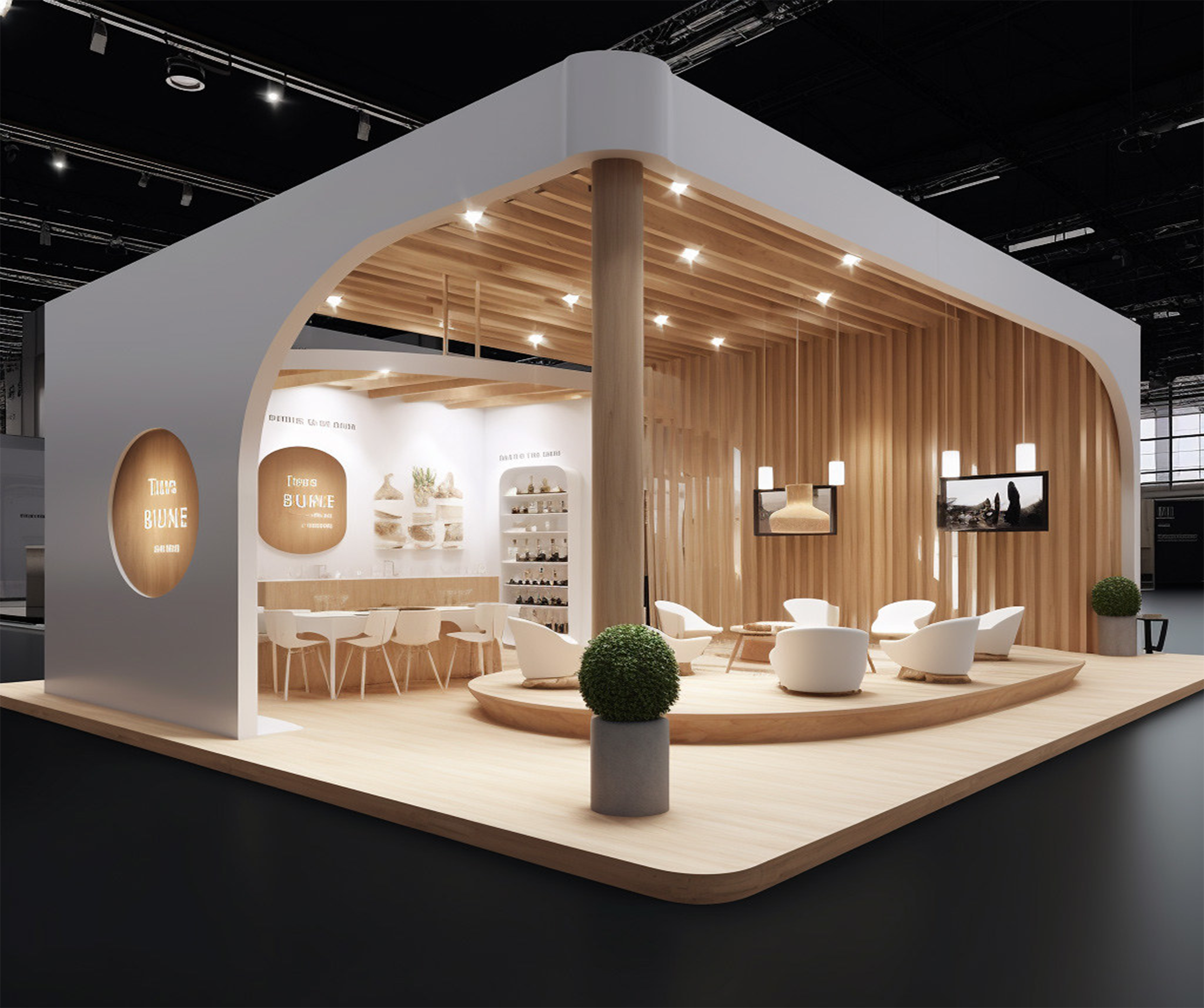
How to Choose the Right Trade Show Booth for Your Company?
Trade shows are invaluable opportunities for businesses to showcase their products, connect with potential clients, and strengthen their industry presence. However, the competitive and crowded environment of trade shows demands more than just showing up. You need an eye-catching, well-designed booth that reflects your brand and draws in visitors. But how do you choose the right trade show booth for your company? Here’s a detailed guide to help you make the best decision.
1. Reflect Your Brand Identity in the Design
Your booth is a physical representation of your brand, often creating the first impression for attendees. Thus, the design of your trade show booth should align with your company’s values, mission, and overall aesthetic. Brand identityplays a crucial role in every design decision. Here’s how to reflect it:
- Colors and Logos: Incorporate your brand’s color scheme and prominently display your logo. This enhances brand recognition and ensures visitors immediately associate the booth with your company. Colors are powerful tools for attracting attention and reinforcing your brand.
- Design Style: The overall style of the booth should be consistent with your industry and the message you want to convey. For example, if your company specializes in cutting-edge technology, a sleek, modern design with minimalistic elements might be appropriate. On the other hand, a business focused on natural products could opt for eco-friendly materials and a more organic design.
2. Consider the Products or Services You Are Showcasing
What you plan to display significantly influences the booth’s layout and structure. Your booth should be designed to showcase your products or services in the most engaging and effective way possible. The nature of your offerings will determine how you organize your space:
- Physical Products: If you’re showcasing physical products, you’ll need display cases, shelves, or platforms that make them the focal point. Ensure these areas are well-lit and allow easy access for attendees to view and interact with the items.
- Digital Services or Software: If your company offers digital services or software, the setup should include interactive screens, touch displays, or demo stations where visitors can experience the product firsthand. A visually compelling presentation on large screens or via augmented reality (AR) might also help to capture attention.
3. Understand Your Target Audience
Knowing your target audience is critical in shaping your booth design. A deep understanding of your potential clients’ interests, behaviors, and needs will help tailor the booth to attract them effectively. Consider the demographic and professional profile of the attendees:
- Appealing Elements: If your target audience consists of tech-savvy millennials, you might include interactive gadgets, AR experiences, or social media integration within your booth. Tech-based giveaways, QR codes, and contests can also enhance engagement.
- Experience Zones: If your target demographic is more traditional or prefers in-depth discussions, design comfortable seating areas for one-on-one interactions, private meeting spaces, and detailed product demonstration zones. This helps you establish personal connections with visitors.
4. Stick to Your Budget
While a visually stunning and fully customized booth might be tempting, it’s essential to work within your budget. The budget will affect the size, materials, and technology used in the booth. To ensure cost-efficiency while maintaining quality, consider the following:
- Modular Designs: Modular booths can be reused and adapted for different events, providing long-term cost savings. They are flexible and can be adjusted in size and layout depending on the trade show requirements.
- Smart Material Choices: Opt for materials that are both affordable and durable. Lightweight materials such as aluminum or sustainable, eco-friendly alternatives can offer a polished look without breaking the bank.
- Prioritization: Focus your budget on key elements that will have the most impact. For example, investing in impressive lighting, digital displays, or eye-catching product displays may bring more returns than spending on luxury furniture or excessive décor.
5. Focus on Functionality
A trade show booth should not only look appealing but also function efficiently. The layout must enable easy navigation for visitors, showcase your products or services effectively, and provide sufficient space for your team to work and engage with attendees. Key factors to consider include:
- Flow and Space Management: The booth should have a logical flow, with clear pathways that allow visitors to move around freely without congestion. Avoid cramming too many elements into the space, as this can overwhelm visitors and reduce the booth’s accessibility.
- Information Areas: Designate areas where visitors can easily access brochures, catalogs, or digital information about your offerings. A well-organized information point or reception desk makes it easy for visitors to learn more without feeling overwhelmed.
- Visual Communication: Use graphics, signage, and displays strategically. Keep the message clear and concise, using high-quality images and text to convey your key points. Overloading the booth with too much text or visual noise can detract from the primary message.
6. Create Engagement and Interactive Zones
A successful trade show booth should encourage visitor interaction and create memorable experiences. Your booth can be more than a static display; it can be an immersive environment where attendees engage with your brand and products:
- Live Demonstrations: Offering live demos is one of the most effective ways to attract attention and showcase the capabilities of your products. Demonstrations allow visitors to see the product in action, ask questions, and understand its benefits firsthand.
- Interactive Experiences: Use interactive elements like touchscreens, virtual reality (VR), or AR to engage visitors. These technologies not only captivate attendees but also create an innovative image for your brand.
- Social Media Integration: Incorporate social media into your booth design by creating photo opportunities, hosting social media contests, or featuring live social feeds. These activities encourage visitors to share their experiences online, further expanding your reach beyond the trade show floor.
7. Get Professional Help When Necessary
If you lack the in-house expertise to design and build a compelling booth, consider hiring professionals. Experienced trade show booth designers can help translate your vision into an effective and attractive physical space. Working with professionals can also save time, reduce stress, and ensure that your booth meets both aesthetic and functional requirements.
Conclusion
Choosing the right trade show booth for your company involves balancing creativity with practicality, ensuring the design aligns with your brand identity while also being functional and within budget. Understanding your audience, showcasing your products effectively, and focusing on engagement are crucial to creating a booth that stands out in a competitive environment. With thoughtful planning and execution, your trade show booth can become a powerful tool for generating leads, building brand awareness, and strengthening your market position.

